Fun Facts About Horses

You might be surprised by just how incredible these animals are.

Horses have the largest eyes of any land mammal and can see nearly 360 degrees around them. Their only blind spots are directly in front of the nose and directly behind the tail.
Thanks to a locking mechanism in their legs called the “stay apparatus,” horses can sleep standing up. They only need about 2–3 hours of sleep a day and will only lie down for deep sleep when they feel completely safe.
Horses communicate constantly using their ears, tail, eyes, and facial expressions. Ears pricked forward means curiosity, while ears pinned back can mean they're unhappy. They can also read human emotions and body language remarkably well.
Horses have excellent long-term memories and can remember people, places, and experiences for many years. If a horse has a positive experience with someone, they'll remember that person fondly even after years apart.
A horse can gallop at speeds of up to 55 mph. Despite the name, a single horse actually produces about 15 horsepower at peak effort! Their powerful legs allow them to run within hours of being born.
Horses typically live for 25–30 years, and you can estimate their age by looking at their teeth. The phrase “don't look a gift horse in the mouth” comes from the old practice of checking a horse's teeth to judge its age and value.

All About Horses

Horse vs Pony — What's the Difference?

It's not just about size! Here's what sets them apart.

It's All in the Height

Horses are measured in “hands” (one hand = 4 inches). Under 14.2 hands is officially a pony, anything taller is a horse — so a small horse isn't the same as a pony!

Built Different

Ponies tend to be stockier and stronger for their size, with thicker manes, tails, and coats. Their legs are shorter and sturdier in proportion. Horses are generally more slender and long-legged.

Personality

Ponies are known for being hardy, intelligent, and sometimes a wee bit cheeky! They evolved in harsher environments so they tend to be tougher and more independent. Horses are often calmer and more willing to follow instructions.

Our Herd Has Both!

At Lunar Eclipse, our Hoofgang is a wonderful mix of horses and ponies of all sizes. From our larger horses like Luna to our miniature friends like Teddy, each one brings something special.

Caring for Horses

Here's what goes into keeping them happy and healthy.

Horses are herbivores needing mainly hay or grass, eating little and often throughout the day. Fresh, clean water must always be available. Never feed a horse anything without checking first — some common plants like ragwort are toxic to them.
Daily grooming keeps a horse's coat healthy. It involves brushing to remove dirt and loose hair, picking out their hooves to check for stones or problems, and checking their body for any cuts or swelling.
Horses need protection from extreme weather. A field shelter gives them somewhere to escape rain, wind, and strong sun. In very bad weather, they may be brought into a stable. Even hardy ponies appreciate having a choice of shelter.
Horses need daily movement to stay healthy and happy. Time spent in the field is essential — it allows them to walk, trot, and socialise naturally. Horses that don't get enough exercise can become restless or develop health problems.
Regular vet check-ups, vaccinations, worming treatments, and dental care are all essential. Their teeth grow continuously, so they need filing by an equine dentist. Hooves need trimming or shoeing every 6–8 weeks by a farrier.
Horses are herd animals and need the company of other horses to feel safe and content. A lone horse can become stressed and anxious. They thrive when living together as a herd, keeping them happy, social, and emotionally balanced.

Horses & People

How Horses Help People

Equine Facilitated Learning uses the natural qualities of horses to support wellbeing.

Horses are highly sensitive to emotions and will mirror how you're feeling. If you're anxious, a horse may become restless; if you're calm, they'll relax. This feedback helps people become more aware of their emotions and learn to manage them.
Horses don't judge. When you successfully connect with a horse, it builds genuine confidence. The sense of achievement from grooming, leading, or simply being accepted by a horse is incredibly powerful.
Working with horses teaches you to communicate through body language rather than words. You learn to be clear, consistent, and calm — skills that transfer directly to everyday relationships and social situations.
Being around horses engages all your senses — the warmth of their coat, the sound of them breathing, the smell of hay. This rich sensory input can be calming and grounding, especially for people who struggle with anxiety or sensory processing.
Horses live entirely in the moment, and spending time with them encourages you to do the same. When you're focused on connecting with a 500kg animal, there's no space for worrying. It's a natural form of mindfulness.

Safety Around Horses

A few simple rules keep everyone safe around these big, gentle animals.

Always approach a horse from the side, where they can see you, and speak gently on approach. Never walk up from directly behind — you'll be in their blind spot and might startle them.
No sudden movements, loud noises, or running around horses. Walk steadily, keep your voice low and friendly, and let the horse get used to your presence at their own pace.
Hold treats on a flat, open palm with fingers together and thumb tucked in. This keeps your fingers safely out of the way. Always ask a handler before feeding any horse.
Never stand directly behind a horse — if they kick, you could be seriously hurt. Stay to the side, give them room to move, and never duck under their belly or neck.

Horse Wellness

Just like us, horses need regular health care to stay happy and well. Here’s a closer look at the routines and care that keep them in top shape.

A farrier is a specialist who trims and shapes a horse’s hooves and fits shoes when needed. Hooves grow continuously — just like our fingernails — so they need professional attention every 6–8 weeks. If hooves are left too long, they can crack, become uneven, or cause the horse pain when walking. Think of it like getting your nails done, except it’s essential for how the horse moves and carries its weight! Without regular farrier visits, horses can develop serious foot problems and lameness.
Unlike ours, horses’ teeth never stop growing. Over time they can develop sharp edges and uneven surfaces that make eating painful. An equine dentist visits once or twice a year to file (or “rasp”) the teeth smooth. Signs that a horse might need dental work include dropping food while eating, tilting their head to one side, or being fussy with the bit. Regular dental care keeps them comfortable and eating properly — just like our trips to the dentist!
Horses need regular vet visits just like we go to the doctor. An equine vet carries out routine health checks, gives vaccinations (such as flu and tetanus), and is there for emergencies. Vaccinations protect against serious diseases and are usually given once or twice a year. Knowing when something isn’t right — like a change in behaviour, loss of appetite, or unusual swelling — means the vet can be called early before small problems become big ones.
Horses graze on grass all day, and that means they can easily pick up internal parasites (worms) from the pasture. Left untreated, worms can cause weight loss, colic, and serious damage to the gut. Regular worming treatments — usually several times a year on a planned schedule — keep parasite levels under control. Many yards also do regular worm egg counts (a simple test) to check whether treatment is needed, helping to use wormers responsibly and avoid resistance.
Laminitis is a painful condition where the sensitive tissue inside the hoof becomes inflamed. It’s one of the most common and serious health issues in horses and ponies. A lot of people think horses can just be “chucked in a field” and left to it, but rich, lush grass can actually be a major trigger — especially in spring and summer. Overweight horses and ponies are particularly at risk. Managing their diet, limiting time on rich pasture, and keeping a healthy weight are all crucial for prevention. Laminitis can be extremely painful and, in severe cases, life-threatening, so it’s something every horse owner takes very seriously.
It might sound surprising, but horses can get sunburned! Horses with pink skin — especially around the nose, muzzle, and ears — are particularly vulnerable. Just like fair-skinned people, they need sunscreen applied to exposed areas on sunny days. UV-protective fly masks can also help shield their faces. Repeated sunburn can lead to sore, cracked skin and in extreme cases, skin conditions that need veterinary treatment. So next time the sun’s out, spare a thought for the pink-nosed ponies!
In warmer months, flies and insects can make life really uncomfortable for horses. They buzz around eyes, ears, and any wounds, causing irritation and stress. Fly masks are mesh coverings that protect the horse’s face and eyes while still letting them see clearly. Fly spray can be applied to the coat to repel insects, and fly rugs provide full-body protection. Some horses are more sensitive than others — a condition called “sweet itch” is caused by an allergic reaction to midge bites and needs careful management. Keeping horses comfortable during fly season is an important part of daily care.

Our Trusted Professionals

Keeping horses healthy takes a team. Here are the professionals who help look after the Hoofgang.

🩺

Forth Valley Vets

Equine Veterinary Care

An equine vet is essential to every horse's wellbeing. They carry out regular health check-ups, vaccinations, dental examinations, and worming treatments. They also diagnose and treat illnesses or injuries, and provide emergency care when needed. Routine veterinary visits help catch problems early and keep horses in the best possible health.

🦾

The Wee Farrier

Farrier Services

A farrier is a specialist who cares for horses' hooves — trimming, shaping, and fitting shoes when needed. Hooves grow continuously, much like our fingernails, and need attention every 6–8 weeks. Proper hoof care is vital because it affects how a horse walks, stands, and carries its weight. Without regular farrier visits, horses can develop painful foot problems and lameness.
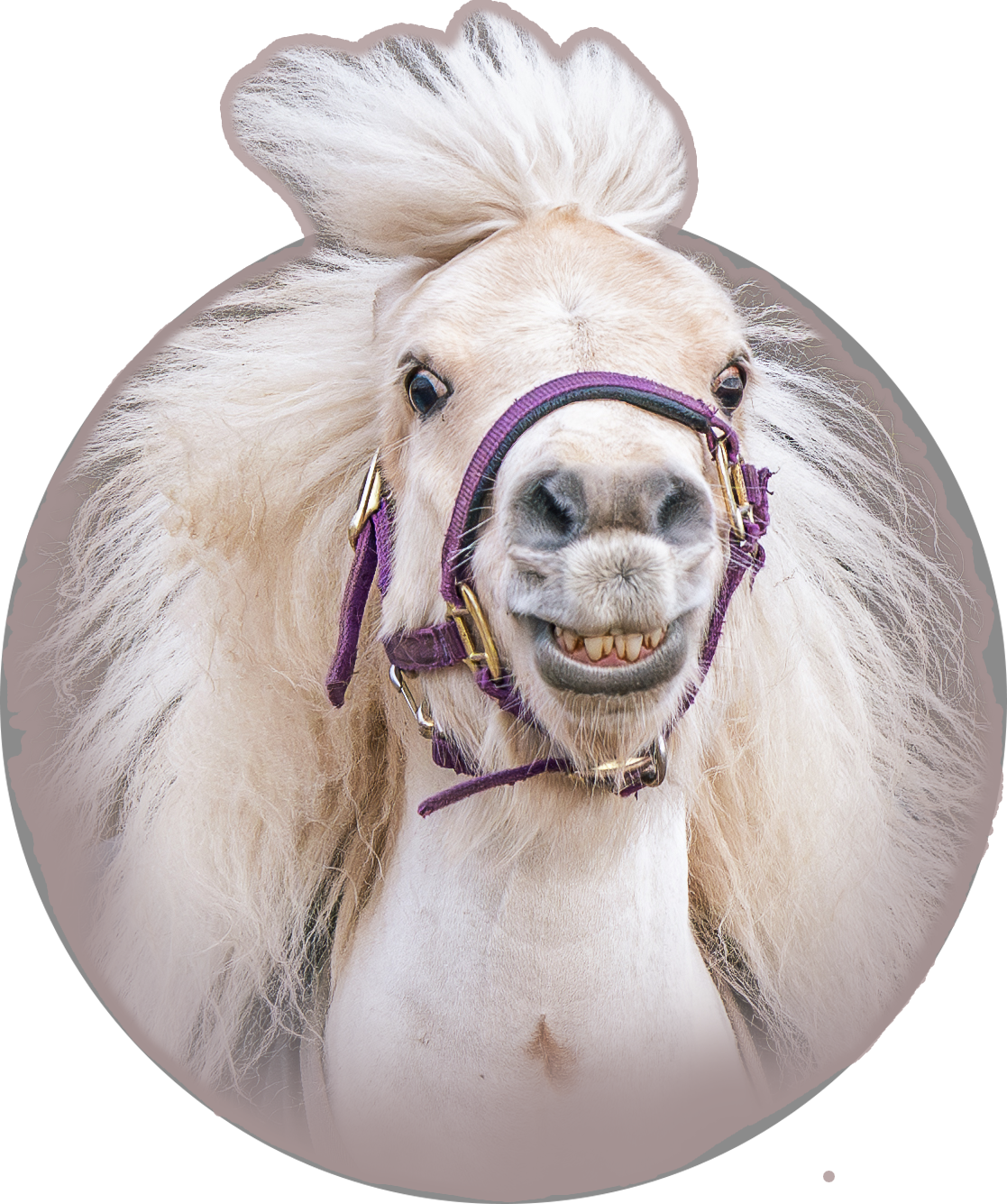
Lord Hoofington

Lord Hoofington's Quiz!

Right then! I've been watching you read through all of that, so let's see if you were paying attention. I've put together a wee quiz — no peeking!

Want to Meet Our Horses?

Come and say hello to the Hoofgang! Whether you're interested in our sessions, a school visit, or just want to learn more, we'd love to hear from you.

Meet the Hoofgang Get in Touch